
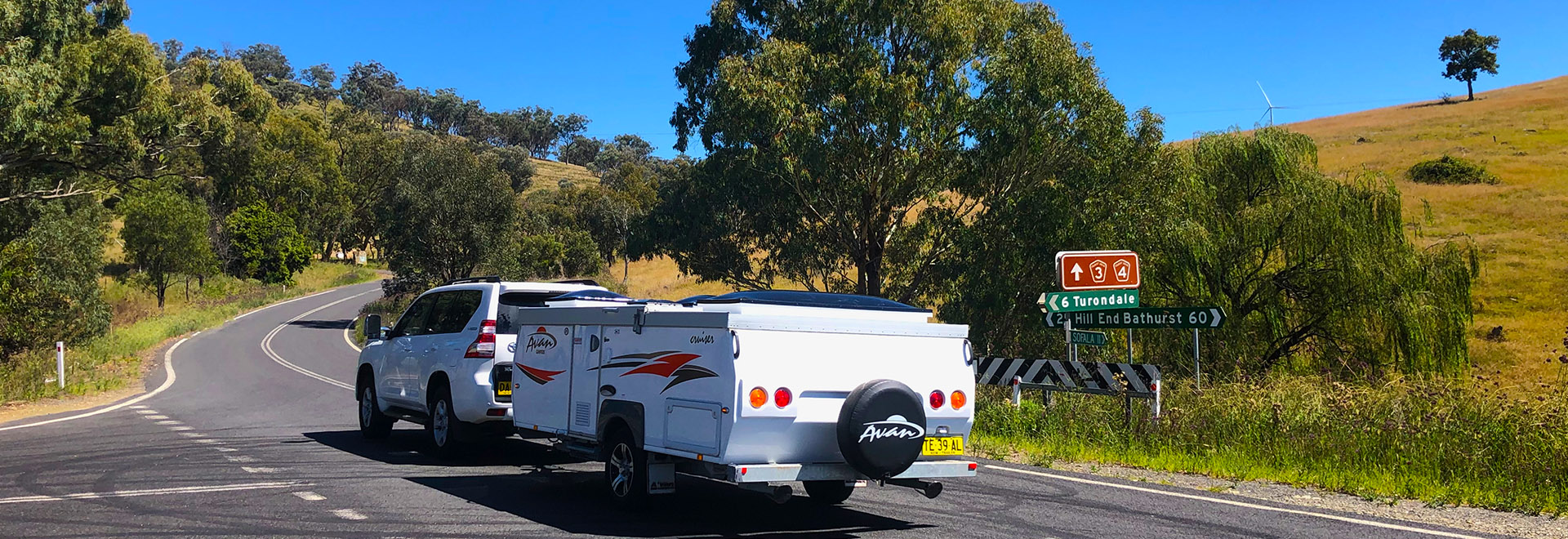
The drive tourism market is growing.
The drive tourism relates to “visitors who travel for leisure and use a vehicle to reach their destination. This includes both day trips and overnight trips to one or more destinations.” from Tourism and Events Queensland.
The drive market is characterised by people who:
- like independence and the freedom to discover and experience new places
- usually seek to experience the scenery and the natural environment
- don’t have set plans about where they will go and what they will see – so make decisions based on information once they are at the destinations
- often base their decisions on the recommendations of locals or other travellers
Caravan Industry Association of Australia released the Caravan Industry Consumer Sentiment Report August 2022. The report provides insights into the opinions and travel intentions of Australian caravan and campers.
The research was conducted in July 2022 as Australians are starting to experience the outcome of multiple interest rates rises in recent months, increased inflation impacting cost of living, and another wave of COVID-19 related hospitalisations and health recommendations.
Cost of living expenses became a significant trend in July, with households feeling less financially comfortable compared to the previous survey periods. This aligns with broader consumer confidence levels which has declined over the previous 12 months.
Household financial pressures are beginning to filter into travel purchasing and behaviour considerations with consumers recalibrating the factors they consider when making travel decisions. Moreover, to mitigate rising pressures on household budgets, staying longer in one place and travelling shorter distances emerge as likely strategies. Importantly, despite rising cost of living expenses, most Australians surveyed are not prepared to delay or cancel future trips.
Despite the financial pressures, caravan and campers are feeling the most optimistic since the pandemic begun as a sense of normality returns. However, the research indicates that although Australians are prepared to move forward, COVID-19 is still a significant factor in their travel consideration. For the over 55-year segment, the concern of COVID-19 remains their number one consideration in future travel. Compared to under 55 years, cost of living pressures are their main concern.
Research shows that people are more likely to return to a city, town or region if they found it easy to find their way around. So, this is where ensuring that all aspects of your tourism signage and visitor information are aligned to create a high quality, consistent experience. This includes thinking about how to provide information in a variety of ways before, during and after the visit.
It also means your destination has to have events and attractions that give people a reason to visit. Otherwise, they may just drive through on their way somewhere else. This is where heritage, cultural and environmental interpretive trails come in. And drive trails can be a key attraction.
A drive trail provides a reason to travel to or stop in a destination.
Drive trails provide interpretive information for people to learn about the historical, cultural and environmental significance of a place. There are often economic benefits through tourism spending on meals, supplies, attractions, accommodation for the places the trail passes through.
Creating a drive trail that provides a high-quality visitor experience requires planning, resources, design, signage and infrastructure and ongoing management and maintenance.
Wayfound is specialists in creating interpretive drive trails. Our services include:
- Masterplanning and route mapping – including identifying interpretive sites and linking to main road signs
- Research and community consultation
- Devising ways to link the trail with places, facilities and attractions in the area
- Creation of interpretive information – copywriting, graphics and images
- Trail theme and brand design
- Sign layout and design
- Sign manufacturing and installation
- Trail app development
- Creation of marketing materials and collateral